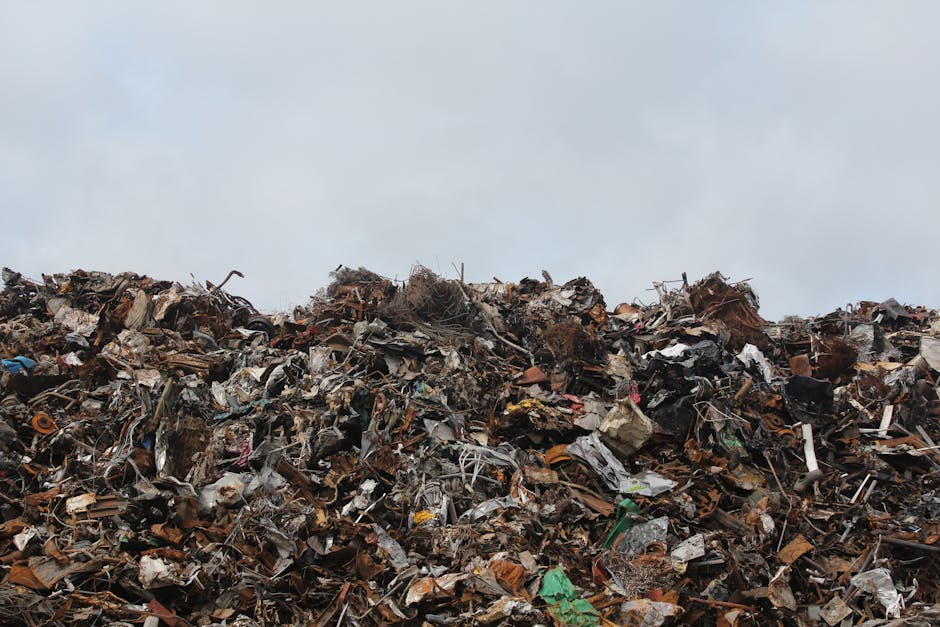
Fines for illegal dumping in Royal Borough of Kingston
If you have ever looked at a pile of unwanted furniture, renovation rubble, or bagged rubbish and wondered, "Can I just leave this here for now?", you are not alone. But in the Royal Borough of Kingston, illegal dumping is taken seriously, and the fines for illegal dumping in Royal Borough of Kingston can become costly fast. This guide breaks down what counts as fly-tipping, how penalties are usually handled, why it matters locally, and what to do instead so you can stay on the right side of the law without the headache.
Whether you are a homeowner, landlord, tenant, trader, or business owner, the key thing is simple: waste has to be handled properly. And honestly, that is usually easier than people think once you know the rules. Here is the practical version.
Why Fines for illegal dumping in Royal Borough of Kingston Matters
Illegal dumping is not just an eyesore. It affects pavements, alleyways, parks, roadside verges, shared housing entrances, and the little corners of Kingston where rubbish can pile up quickly if nobody acts. One dumped sofa can attract more waste. A few black bags can become a mess that smells, spreads, and makes a neighbourhood feel neglected. To be fair, it only takes one careless decision.
The financial side matters too. In the UK, fly-tipping can lead to fixed penalties, prosecution, or much higher court-ordered fines depending on the severity and who is responsible. The exact outcome depends on the facts, but the broad lesson is consistent: if waste is dumped unlawfully, the bill can be far more painful than arranging lawful disposal in the first place.
For local residents and businesses, this topic also matters because responsibility is not always where people expect it. If you hand rubbish to someone who is not licensed or fail to check how your waste is being handled, you may still face trouble later. That is the part people miss. The bin bags leave your driveway, and everyone assumes the problem has gone with them. Not always.
When waste is managed properly, the whole borough benefits: cleaner streets, lower cleanup costs, fewer hazards, and less pressure on public services. It sounds obvious, but the practical impact is real.
Expert summary: the cheapest disposal option is not always the safest one. If a load is dumped illegally after leaving your hands, the investigation may still come back to you unless you can show you took reasonable care.
How Fines for illegal dumping in Royal Borough of Kingston Works
In plain English, the enforcement process usually starts when waste is found dumped in a public or private place without permission. That waste might be household rubbish, builder's waste, broken furniture, garden clippings, office clutter, or bulky items left where they should not be. The council may investigate, issue notices, or pass the case into formal enforcement channels depending on the evidence and the seriousness of the incident.
There are a few important moving parts:
- What was dumped - a small bag of rubbish is treated differently from a van-load of construction debris.
- Where it was left - public land, private land, and land with restricted access can all change the response.
- Who can be identified - letters, invoices, labels, CCTV, witness details, and vehicle information may all matter.
- Whether there is a pattern - repeated dumping usually brings a sterner response.
Sometimes the person responsible is obvious. A name on an old envelope inside a dumped box can be enough to start a line of enquiry. Other times, it is less direct. That is why good records matter. If you paid somebody to take your waste away, keep proof. If you used a waste carrier, keep the paperwork. A photo on your phone can be very handy, oddly enough.
It is also worth separating illegal dumping from a simple mistake. For example, leaving a bag beside a full bin because collection day was missed is not the same as abandoning waste in a lane or on a verge. But once material is outside the proper collection system, you can quickly enter risky territory. The line is thinner than people think.
Key Benefits and Practical Advantages
At first glance, talking about fines sounds negative. But there is a useful side to understanding the rules properly. It helps you avoid waste-related penalties, protect your home or business, and make better choices when clearing space. That is the practical upside.
Here are the main benefits of getting waste disposal right:
- Avoiding avoidable costs: a lawful clearance is usually far cheaper than a penalty, clean-up, or enforcement letter.
- Reducing risk: you avoid the stress of having your rubbish traced back to you.
- Protecting your reputation: especially important for landlords, contractors, and local businesses.
- Keeping spaces usable: a tidy site is safer, simpler to manage, and less likely to attract more dumping.
- Supporting proper recycling: waste separated and handled well is more likely to be reused or recycled responsibly.
There is also a quiet confidence that comes from knowing you have done things correctly. No awkward calls, no mystery load sitting somewhere in a lane, no wondering whether your waste was dumped near the Thames or tucked behind a hedge in the dark. You just get on with life, which is nice for a change.
If you need a lawful clearance route, services such as waste removal and recycling and sustainability can support the process by keeping disposal organised, traceable, and more environmentally responsible.
Who This Is For and When It Makes Sense
This subject is relevant to more people than you might think. Illegal dumping issues do not only affect people who deliberately fly-tip. They affect anyone generating waste that needs moving quickly and lawfully.
You may need this information if you are:
- A homeowner clearing a loft, garage, or spare room after years of build-up
- A tenant or flat resident dealing with bulky items or shared-bin complications
- A landlord or letting agent trying to clear left-behind waste responsibly
- A tradesperson handling builders' waste, packaging, or demolition debris
- A business owner disposing of office furniture, stock, or refurbishment material
It also makes sense if you are arranging a big clean-out and you are tempted to "save money" by using an unverified collector. Let's face it, that is often where things go sideways. A low quote can look clever for about ten minutes, then becomes very expensive if the waste ends up dumped under your name.
For larger domestic jobs, local services such as house clearance, home clearance, flat clearance, and loft clearance can be a more controlled route than leaving items to pile up while you decide what to do.
Step-by-Step Guidance
If you want to avoid illegal dumping problems, the safest approach is boring in the best way possible: plan the disposal properly and keep records. Here is a practical sequence that works for most people.
- Sort the waste first. Separate furniture, recyclables, garden waste, builder's rubble, and general rubbish. It makes disposal easier and usually cheaper.
- Identify what needs special handling. Some items need careful treatment, such as electrical goods, paint tins, plasterboard, or sharp materials. Do not just bundle them together and hope for the best.
- Choose a lawful disposal route. Use a reputable waste service, arrange a council-approved collection, or take items to an appropriate facility if you are able.
- Check the provider. Ask what happens to the waste, whether it is legally transferred, and how disposal is documented. A genuine operator should not mind basic questions.
- Keep proof. Save receipts, messages, and any transfer notes or job confirmations. If questions come later, proof helps a lot.
- Make collection easy. Put items in an accessible place, label anything useful to identify, and avoid leaving rubbish outside overnight if it can be helped.
- Follow up. If a collector fails to turn up, do not quietly leave the waste on the street. Reschedule or use another lawful route.
A simple real-world example: after a kitchen refit, you may have cabinets, packaging, broken tiles, and a few bags of miscellaneous debris. If those are left in a rear alley because the skip never arrived, that turns into a problem very quickly. A scheduled clearance, on the other hand, keeps the job tidy and traceable.
Expert Tips for Better Results
In our experience, most waste problems are caused by rushing. The person is busy, the house is full, the deadline is looming, and suddenly the cheapest option wins. That is where people get caught out. So slow the process down just a little.
- Take photos before disposal. This gives you a visual record of what was handed over.
- Ask for itemised pricing where possible. It helps you understand what you are paying for.
- Use one disposal plan per job. Mixing half a dump-run with half a "we'll sort it later" approach is where confusion starts.
- Be cautious with cash-only offers. Not always suspicious, but it should make you ask better questions.
- Think about access. Narrow roads, permit issues, shared entrances, and parking restrictions can affect how waste is removed legally and safely.
Another useful habit is keeping a little disposal folder on your phone. Photos, confirmations, and invoices all in one place. It sounds over-organised until the day you need it. Then it feels genius.
If you are dealing with renovation or contractor debris, builders' waste clearance is often more appropriate than treating the waste as ordinary household rubbish. For commercial premises, business waste removal helps keep records neat and the process more compliant.
Common Mistakes to Avoid
People usually do not intend to break the rules. But a few common mistakes turn normal waste disposal into a risk.
- Leaving waste beside overflowing bins. Even if it feels temporary, it can be treated as abandoned waste.
- Handing rubbish to an unverified collector. If they dump it illegally, you may still be asked questions.
- Assuming furniture left on a pavement is "free to take". That is not always true and can cause complaints or enforcement.
- Not separating materials. Mixed waste is harder to dispose of responsibly and can raise costs.
- Throwing away paperwork. Receipts and transfer notes matter more than people realise.
- Ignoring access issues. If a vehicle cannot park legally, collections can go badly very fast.
One practical trap worth mentioning: people sometimes think "it will be fine if I just leave it after dark." That is exactly the sort of thing that creates problems. It may seem harmless at 9pm. By morning, it is a mess, and nobody wants that early call.
Tools, Resources and Recommendations
You do not need a complicated setup to stay compliant. A few simple tools and habits go a long way.
- Mobile phone camera: take before-and-after photos of waste loads and collections.
- Notes app or folder: store receipts, messages, dates, and collection details.
- Labels or tape: mark items that are being kept, sold, donated, or removed.
- Basic sorting bags or boxes: separate recyclables, general waste, and items needing special disposal.
For people who want a cleaner all-in-one solution, a professional service may be more efficient than trying to piece together several trips. Services like furniture clearance, furniture disposal, garage clearance, and garden clearance can reduce the chance of waste being left in the wrong place while you figure out the next step.
If you are comparing providers, take a look at the company's about us page, then review pricing and quotes so you understand the process before booking. It is a small step, but it can save a lot of hassle.
Law, Compliance, Standards, or Best Practice
In the UK, illegal dumping is usually dealt with under waste and environmental enforcement powers rather than a casual warning system. The exact route can vary, but the underlying expectation is consistent: waste must be stored, transported, and disposed of lawfully. If a person or business gives waste to someone else, they should take reasonable care to check that the carrier is legitimate and that the waste is handled properly.
Best practice is straightforward, even if the legal language is not. Keep evidence of who took the waste, what was taken, and when. Use reputable collectors. Do not leave waste where it can become "abandoned" in the eyes of enforcement officers. And if you are a business, make waste management part of routine operations rather than an afterthought squeezed in at closing time.
For businesses, a good internal habit is linking waste management to workplace procedures. That includes staff training, clearer sign-off, and keeping disposal records alongside other operational paperwork. The same common-sense approach helps with office clearance and routine waste removal.
Best practice also includes being honest about what the waste actually is. Trying to pass bulky mixed rubbish off as something simpler may sound convenient, but it tends to create delays, extra costs, and, sometimes, enforcement issues. Straight answers are better. A bit less glamorous, maybe. Much safer, definitely.
Options, Methods, or Comparison Table
Different waste situations call for different disposal methods. The right choice depends on volume, item type, urgency, and access. Here is a simple comparison to make the decision easier.
| Method | Best for | Pros | Watch out for |
|---|---|---|---|
| DIY trips to a disposal facility | Small loads, flexible timing | Direct control, may suit occasional clear-outs | Time, vehicle access, sorting effort |
| Professional waste collection | Bulky or mixed loads | Convenient, quicker, more traceable | Choose carefully and keep records |
| Skip hire | Projects with ongoing waste generation | Handy for renovations and longer jobs | Space, permits, and loading discipline |
| Ad hoc private collection | Only when the collector is verified | Fast if done properly | High risk if the provider is not legitimate |
For many households, a scheduled clearance is the least stressful option. For trades and businesses, a repeat collection arrangement can be better because it keeps waste flowing out of the site instead of building up in corners and corridors. And yes, corners and corridors are where things get awkward.
Case Study or Real-World Example
Imagine a small property refurbishment in Kingston. The owners have removed old wardrobes, broken shelving, packaging, and a few bags of plaster dust. At first, the waste sits neatly in the garden. A day later, it has drifted into the side return. By the weekend, a neighbour has complained, rain has soaked some of it, and the space looks untidy and neglected. That is exactly how a simple clearance turns into a nuisance.
Now compare that with a planned removal. The items are sorted on the morning of collection. The clearer knows what is being taken. The right vehicle arrives. Waste is removed in one go, and there is proof of disposal. Clean, quick, done.
The difference is not just convenience. It is risk. Once waste is left in a place where it can be classed as dumped, the chance of notices, complaints, or fines increases. The smartest move is usually the least dramatic one.
Practical Checklist
Use this before any disposal job, especially if you are clearing a house, office, or renovation site.
- Have I sorted the waste by type?
- Do I know what needs special handling?
- Have I checked that the collector is reputable?
- Do I have confirmation, receipts, or transfer records?
- Is the waste being removed from lawful access points only?
- Have I avoided leaving anything on pavements, alleys, or verges?
- Do I understand what happens if the waste is not collected on time?
- Have I chosen the right clearance type for the job?
- Do I have photos before the waste leaves?
- Would I feel comfortable explaining this disposal method later if asked?
If you can tick most of those off, you are in a strong position. If not, pause. It is much easier to fix the plan than to fix a penalty later.
Conclusion
Fines for illegal dumping in Royal Borough of Kingston are not something to shrug off. The cost can be financial, practical, and reputational, and the risk often starts with a small mistake rather than an obvious act of fly-tipping. The good news is that lawful disposal does not have to be complicated. With a bit of planning, proper records, and the right clearance method, you can avoid trouble and keep your property or business running smoothly.
In day-to-day terms, the safest path is also the simplest one: sort the waste, use a proper route, and keep evidence. That is usually enough to stay out of the mess. And honestly, life is better without a mystery pile of rubbish hanging over it.
If you are clearing space at home or in a workplace, choosing a reliable service can make the whole thing feel lighter from the start. A clean site, fewer worries, and no nasty surprises. That is the real win.
Get a free quote today and see how much you can save.
Frequently Asked Questions
What counts as illegal dumping in Royal Borough of Kingston?
Illegal dumping usually means leaving waste somewhere without permission or arranging for waste to be dumped unlawfully. That can include bags, furniture, builders' rubble, garden waste, or mixed rubbish left on public or private land.
Can I be fined if someone else dumps my waste?
Potentially, yes. If you give waste to an unverified person and cannot show you took reasonable care, you may be asked to explain what happened. Keeping receipts and checking who collected the waste helps protect you.
How high are the fines for illegal dumping?
The amount can vary depending on the seriousness of the case and how it is handled. Some cases start with fixed penalties, while others can lead to prosecution and much higher costs. The safest assumption is that it can become expensive quickly.
Is leaving rubbish beside a bin classed as dumping?
It can be. If waste is left outside the proper collection system, especially for more than a short time, it may be treated as abandoned or illegally dumped. It is better to wait for the correct collection or use a lawful alternative.
What should I do if I find dumped waste near my property?
Do not move it unless it is safe and you are responsible for the land. Make a note of the location, take photos if useful, and report it through the appropriate local channel. If it is on your premises, arrange lawful removal as soon as possible.
Do I need proof when I hire someone to remove waste?
Yes, absolutely. Keep invoices, messages, and any written confirmation of the collection. If there is later a question about where the waste went, that paperwork can make a big difference.
Is fly-tipping different from normal household rubbish?
Yes. Household rubbish becomes a fly-tipping issue when it is dumped somewhere it should not be. The material itself may be ordinary, but the way it is left or disposed of makes it unlawful.
What is the safest way to get rid of bulky items?
The safest route is to use a lawful collection service or another proper disposal method and keep evidence of the transfer. Bulky items like sofas, mattresses, and cabinets are often best handled through a planned clearance rather than improvised dumping.
Can businesses be penalised for improper waste disposal?
Yes. Businesses have responsibilities too, and poor waste management can lead to enforcement issues, extra costs, and reputational damage. Good records and a proper disposal process are especially important for commercial sites.
How do I avoid trouble after a home clearance?
Sort the items first, use a verified collection route, and keep proof of disposal. If you are clearing a loft, garage, or spare room, a planned service is usually much safer than leaving items out and hoping for the best.
Is recycling part of avoiding illegal dumping?
It can be. Recycling does not replace lawful disposal, but it supports cleaner and more responsible waste handling. The more clearly you sort items, the easier it is to keep waste out of the wrong place.
Where can I find more about a company's waste practices?
Helpful pages to review include company information, pricing, and sustainability guidance. For example, you can look at recycling and sustainability, pricing and quotes, and about us to understand how a provider works before booking.