Office Clearance in Kingston upon Thames

Office clearance in Kingston upon Thames needs a practical, orderly approach that keeps the work moving without turning the premises into a disruption. We handle the collection and removal of unwanted office contents, from surplus desks and chairs through to archive material, shelving, screens and general workplace clutter, with the aim of leaving the space ready for its next use. The service can support a planned move, a refurbishment, a lease end, or a straightforward reduction of redundant items.
Commercial spaces usually contain a mix of furniture, electrical equipment, storage units and paperwork, so the best approach is rarely the same from one building to the next. Our work is organised around the type of items involved and the access available on site. That means we can separate reusable or recyclable materials where suitable, manage heavier items in a controlled way, and keep the clearances focused on the areas that matter most to your business.
For a clear and tidy result, it helps to match the clearance to the shape of the space. A single open-plan floor, a suite of partitioned rooms, or a stockroom with mixed contents each calls for a slightly different method. If you are planning a changeover, start by identifying what should stay, what must go, and whether any items need to be moved carefully rather than simply removed. That preparation makes the clearance more efficient and more accurate.
Commercial clearance for desks, seating and storage
Many office clearances begin with the main furniture items. Desks, task chairs, meeting tables, pedestals, filing units and cupboards often take up the most room and are usually the first things to address when the space is being reconfigured. We can work through these items methodically so that the clearance follows the layout of the premises rather than creating unnecessary obstruction. Where furniture is still in usable condition, careful handling can make reuse or onward processing more straightforward.
Furniture clearance is also about making sensible decisions item by item. Some pieces may be suitable for removal in one move, while others need to be separated, dismantled or carried out in stages because of their size or position. We can deal with mixed office furniture alongside non-furniture contents such as small fixtures, display units and stored materials. If you are comparing options, a useful first step is to identify the items that are bulky, fragile or difficult to move, then group the rest around them. Furniture clearance can be a practical part of a broader office project when furniture is only one part of the clean-out.
Handling mixed office contents carefully
Offices rarely contain furniture alone. Alongside desks and chairs, there may be computer peripherals, cable runs, whiteboards, cabinet contents and miscellaneous equipment that needs sorting before removal. We take a practical approach to these mixed items so that the work stays organised and the space does not become cluttered again as the clearance progresses. The aim is to remove what is no longer needed while leaving the remaining items accessible and easy to manage.
Removing equipment, records and everyday office waste

Office clearances often involve a layer of smaller material that is easy to overlook until the larger items have gone. Boxed files, loose paperwork, packaging, broken accessories, redundant stationery and general workplace waste can all create a build-up that slows down a move or refurbishment. We can remove these materials as part of a wider clearance so that they do not remain scattered across cupboards, floors and storage rooms. This is especially useful when the project includes both front-of-house and back-office areas.
Where business waste is involved, the removal needs to be orderly rather than improvised. Mixed bags, cardboard, obsolete files and discarded office supplies are best handled in a way that suits the premises and the contents involved. If you are preparing a quotation request, it is sensible to separate the obvious categories first: furniture, confidential material, loose rubbish and any items that may need special attention. Business waste removal can sit alongside clearance work when the office contains both bulky items and routine waste streams.
Our service is designed to keep the job practical for businesses that want the premises cleared without turning the process into a drawn-out internal project. You can use it for a partial clearance of one room or for a fuller clear-out across several work areas. The key point is to make the space usable again in a way that fits your plan, whether that is relocation, refurbishment or simply tidying up surplus contents before the next stage begins.
Office clearance before a move, change of layout or handover
Many customers need office clearance at a point of transition rather than as a stand-alone task. A move to new premises, a change in team size, or a handover at the end of a tenancy can all leave a mix of unwanted items that need to be dealt with promptly and sensibly. In those situations, the clearance is not just about removing clutter; it is about helping the site reach the condition required for the next step in the process.
When a building is being handed back or reorganised, the work often benefits from a simple plan. Decide which areas are being emptied first, which items must remain until the last stage, and whether there are any contents that need to be kept separate from general clearance material. A calm sequence makes it easier to avoid confusion and helps the available space stay workable throughout the job. If the project is tied to premises changes, office clearance can be coordinated around the order in which rooms need to be emptied.
- Identify the rooms or zones to be cleared first.
- Separate items that will be kept from those that are leaving the premises.
- Group bulky furniture, loose waste and paperwork into clear categories.
- Note any access issues such as stairs, lifts or narrow corridors.
Practical planning for a cleaner and more efficient clearance

Good planning makes an office clearance faster and more predictable. A few minutes spent checking what is in each room can save a great deal of time later, especially where storage cupboards, meeting rooms or archive areas contain mixed contents. The aim is not to create an elaborate inventory; it is simply to know what is present, what should remain, and what can be removed without delay. That information helps the work proceed in the right order.
It can also help to think about access before the clearance begins. Clear hallways, lift use, loading points and opening times may all affect how the work is carried out. Where office furniture has to be dismantled or moved through tight areas, the route matters almost as much as the item itself. Pricing and quotes can usually be discussed more accurately once the scope, access and item types are known, because those factors shape the scale of the work.
There is no need to overcomplicate the preparation. A short note on the kinds of items present, the rooms involved and any restrictions on timing is often enough to get the conversation started. If you already know that some materials require separation or that particular rooms must be cleared before others, mention that at the outset. It keeps the service focused and avoids preventable delays when the clearance begins.
Furniture disposal and recycling considerations
Not every office item has the same destination once it leaves the premises. Some furniture may be suitable for reuse, some may be better suited to recycling, and some will need disposal because of condition, wear or breakage. The important thing is to handle the mix sensibly rather than treating every item in the same way. Office clearances often produce a combination of materials, so a practical clearance service needs to account for that variety.
Desks, tables, storage cabinets and similar items often contain more than one material, and that can influence how they are removed and processed. Separating components where appropriate may help keep the clearance orderly and reduce unnecessary waste. If the office contains a large number of similar items, it can be helpful to group them before collection so that the work proceeds in clear stages. Furniture disposal becomes especially relevant when old office pieces are no longer fit for use and need to leave the site without lingering in storage.
Choosing what stays and what goes
In some offices, the real challenge is not the removal itself but deciding which items are worth keeping. Pieces that appear minor at first can still take up a surprising amount of room, while a few key items may remain essential to daily operations. We can help with the clearance work once those decisions have been made, but the most useful approach is usually to mark the keepers clearly before removal starts. That avoids accidental disposal and keeps the process efficient.
Clearing cupboards, records areas and support rooms

Office clearance is often wider than the main work floor. Cupboards, side rooms, store areas and back-office spaces can hold years of accumulated material, from old binders and paperwork to spare furniture, packaging and obsolete equipment. These spaces are easy to postpone because they are out of sight, yet they often contain a significant share of the items that need clearing. We can work through them as part of the same project so the whole premises feels consistent, not just the public-facing areas.
Records and storage rooms need particular care because they can contain a mix of ordinary waste and material that should be separated before removal. When a room has been used for archiving, it is worth sorting the contents into clear groups before the clearance begins. That makes it easier to avoid unnecessary handling and reduces the chance of items being missed. Home clearance is a different service, but the principle of sorting stored contents before removal is similar: good separation saves time and confusion.
Some businesses also use office space for temporary holding, which means the contents may include old seasonal stock, spare fixtures, marketing materials or equipment awaiting disposal. We can remove these mixed contents as part of the clearance so that the room can return to a more useful purpose. The result is a more orderly premises where each area has a clear function again.
Office clearance for furniture, fixtures and specialist items
Different office buildings contain different kinds of fixed and semi-fixed items, and that changes how the clearance is approached. Partition panels, reception fittings, shelving, noticeboards and similar pieces may require more care than standard loose furniture because they are often positioned around the structure of the room. We deal with these items as part of the wider clearance where appropriate, with attention to the access route and the condition of the contents.
Specialist items should be considered early in the process because they can affect the method used for the rest of the job. A large reception desk, for example, may need to be removed before smaller seating or storage items can be taken out easily. Likewise, equipment stored in a cramped corner may have to be cleared in a specific order so that the area is safe and workable. If you are planning a more involved site clean-out, builders-waste-clearance may be relevant where the office project also includes refurbishment debris or fit-out residue.
It is worth remembering that office clearance is not simply a matter of emptying the room as quickly as possible. The sensible approach is to match the removal method to the items and to the layout, so that what remains on site is not damaged and the rooms are left in a manageable state. That is especially important when the premises will be reused immediately or when parts of the office stay occupied during the work.
About Kingston upon Thames
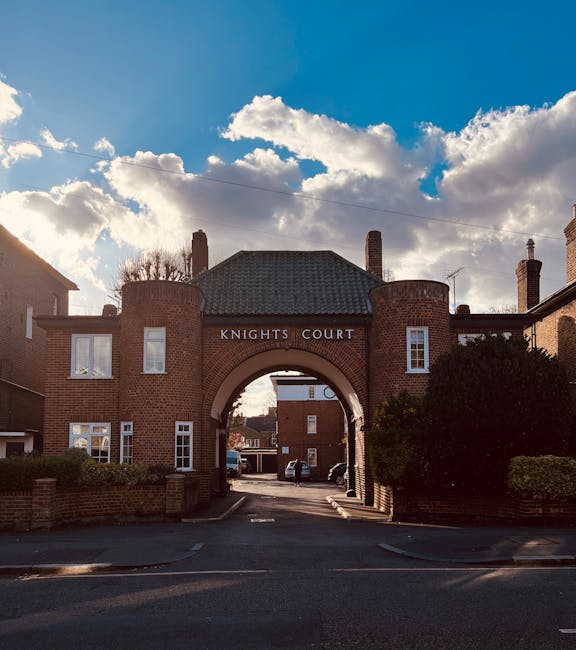
Kingston upon Thames sits on the River Thames in southwest London and is known for its long association with the river crossing, riverside life and a town centre that combines historic landmarks with modern retail and civic buildings. The settlement grew around a strategic point where travel and trade moved between the capital and communities further west. Its name is tied to the royal history of the area, and the town has long been recognised for its former status as a royal borough. The river remains one of the clearest features of the place, shaping both its landscape and its identity. Alongside the Thames, the area contains busy streets, compact residential neighbourhoods and significant public spaces that give it a varied urban character. Kingston’s historic core includes places linked to its medieval past, most notably the coronation stone associated with Saxon kings, which is displayed near the town centre. The marketplace tradition remains part of the area’s identity, and the town centre still mixes older street patterns with later commercial development. The surrounding streets show a combination of period buildings, reconstructed shopping areas and civic structures, reflecting the way the town has evolved over time. Riverside walks, bridges and open views across the water give the area a softer edge than many parts of inner London, while the centre itself stays active with shops, transport links and public services. Nearby green spaces and parks contribute to the local landscape, and the broader borough extends into areas with a strong suburban feel as well as denser urban streets. The result is a place with a layered character: historic, practical and continuously in use.
Working through larger and more complex clearances

Some office clearances involve more than a single floor or a straightforward furniture removal. Larger premises may have multiple departments, storage areas, meeting rooms and ancillary spaces, each with its own contents and access considerations. In those cases, the work is best approached as a sequence rather than a single event. We can help with that kind of project by keeping the removal focused on the agreed areas and by managing the flow of items so the site remains workable.
Where several categories of contents are present, it is useful to think about them in layers. The obvious furniture can be cleared first, followed by smaller items, paperwork, packaging and any mixed waste that accumulates after the main pieces have gone. This staged method keeps the premises less crowded and makes it easier to see what still needs attention. Garage clearance is a different setting, but the idea of working in layers applies just as well when a business space contains mixed storage and long-unused material.
If you are considering an office clearance and want the work handled in a practical, business-like way, the next step is simple: tell us what needs to be removed and what must stay. You do not need to over-explain the project. A short description of the rooms, the item types and the access conditions is usually enough to begin. For the final stage, contact us to request a quotation and arrange the most suitable clearance plan for your premises.