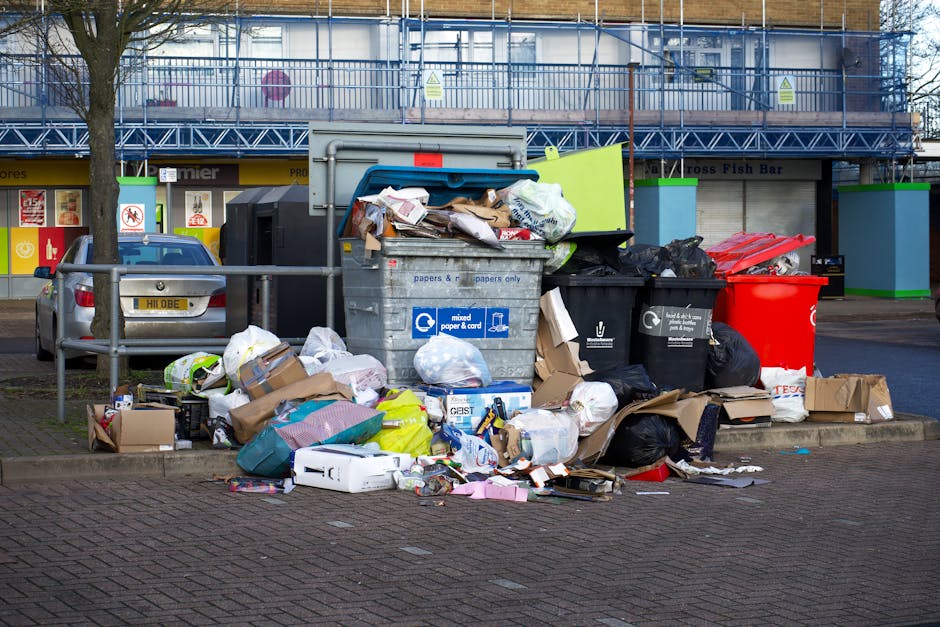
Surbiton bulky waste pickup after flat clear-outs
Clearing a flat can be oddly exhausting. One minute you are sorting a wardrobe, the next you are staring at a sagging sofa, a chipped coffee table, three broken dining chairs and a pile of odds and ends that somehow multiplied overnight. If you are looking for Surbiton bulky waste pickup after flat clear-outs, you probably want something simple: the clutter gone, the stairs left clear, and no awkward mess sitting in the hallway for another week.
This guide explains how bulky waste collection usually works after a flat clear-out, what to plan for, which items are commonly accepted, and how to avoid the little mistakes that make the whole job harder than it needs to be. You will also find practical advice on timing, access, compliance, and how to decide whether a dedicated pickup, a fuller service such as flat clearance, or broader waste removal makes the most sense.
To be fair, most people do not need a complicated process. They just need a reliable way to get large items out safely, quickly, and properly. That is what this article is for.
Why Surbiton bulky waste pickup after flat clear-outs Matters
After a flat clear-out, bulky waste is usually the part people underestimate. Small bagged rubbish is easy enough. It is the big stuff that causes friction: bed frames, mattresses, bulky shelving, white goods, sofas, dismantled furniture, and the random heavy bits that do not quite fit through a narrow door or down a tight stairwell. In a Surbiton flat, especially where access is compact or shared, that becomes more than a simple tidy-up job.
Bulky waste pickup matters because it solves three problems at once. First, it clears physical space fast. Second, it helps you avoid leaving items in communal areas, which can upset neighbours or block access. Third, it gives you a cleaner route to handling disposal responsibly rather than letting it drag on for days. Truth be told, once the main furniture is out, the flat often feels completely different. Quieter. Lighter. Less stressful.
There is also a practical timing issue. Flat clear-outs are often linked to moving deadlines, end-of-tenancy pressure, probate work, renovations, or a sale. Nobody wants to be standing in an almost-empty room on a Tuesday afternoon wondering how the broken wardrobe is going to disappear by Friday. That is where a structured pickup becomes genuinely useful rather than just convenient.
If your clear-out also includes mixed materials, old appliances, or awkward items that need careful handling, it may be worth looking at related services such as furniture disposal or furniture clearance so the whole job is handled in one pass.
Expert summary: the best bulky waste pickups after flat clear-outs are the ones that start with access planning, item sorting, and a realistic understanding of what needs dismantling. That little bit of preparation saves a lot of sweat later.
How Surbiton bulky waste pickup after flat clear-outs works
In most cases, the process is straightforward, but the details matter. A bulky waste pickup after a flat clear-out usually begins with identifying what needs to go, estimating volume, checking access, and agreeing a collection time. The collection team then removes the items from the property or from a safe, agreed location nearby, and loads them for responsible disposal, reuse, or recycling where possible.
What you actually experience depends on the setup. If the flat is on an upper floor, access can change everything. A lift may help. A narrow staircase may slow things down. Shared corridors can mean extra care is needed to protect walls and avoid disruption. This is why a clear description of the property is so valuable. A simple note like "two flights of stairs, no lift, parking on the street" can save a lot of back-and-forth.
For some clear-outs, the service is limited to large items only. For others, the bulky waste is bundled with furniture, general household contents, or even part of a larger move-out. If the clear-out is substantial, a broader home clearance or house clearance approach may be more efficient. That is especially true if you have mixed junk, furniture and small loose items all together.
A typical pickup flow looks like this:
- You list the bulky items and note anything awkward, heavy, or partially dismantled.
- You explain access details, such as floor level, lift availability, parking, and any time restrictions.
- A collection plan is arranged based on the amount and type of waste.
- The team arrives, confirms the load, and starts removing items safely.
- Items are sorted for reuse, recycling, or disposal in line with best practice.
If your clear-out includes items from another part of the property as well, you might find related services useful too, such as loft clearance or garage clearance. That can make sense when the move-out has become a bit of an all-hands-on-deck situation.
Key benefits and practical advantages
Why not just drag everything down yourself or wait for a council slot? Sometimes you can. But after a flat clear-out, the practical advantages of a dedicated bulky waste pickup are hard to ignore.
- Less physical strain: heavy furniture and awkward items are no joke, especially on stairs.
- Faster turnaround: helpful when you need the flat empty for handover, decorating, or sale.
- Safer handling: fewer chances of chipped walls, damaged bannisters, or strained backs.
- Cleaner shared spaces: important in blocks where hallways and entrances must stay clear.
- Better sorting: reusable furniture can be separated from true waste more easily.
- Reduced stress: one organised collection is easier than several improvised trips.
There is another benefit people forget: decision fatigue. During a flat clear-out, you are already deciding what to keep, what to donate, what belongs to someone else, and what is simply beyond saving. Having the bulky waste side handled professionally removes one whole branch of that decision tree. That sounds minor, but it really helps when you are tired and the room still smells faintly of dust and old wood polish.
For business-related clear-outs or mixed-use premises, it can also be useful to compare with business waste removal or office clearance if the items are coming from a workspace rather than a home. Different premises, different rhythm.
Who this is for and when it makes sense
This kind of pickup is useful for a pretty wide range of people. The common thread is simple: you have bulky items that need removing after a flat clear-out, and you want it done properly without turning the whole day into a lifting competition.
It makes sense for:
- Tenants moving out who need the flat fully cleared before checkout.
- Landlords and letting agents dealing with leave-behind furniture or abandoned items.
- Families helping relatives clear a home after downsizing or a life change.
- Executors and probate handlers who need a respectful, orderly clear-out.
- Homeowners renovating and replacing large, worn-out furniture.
- People decluttering hard after years of "we'll deal with that later."
It also makes sense when the items are too large, too heavy, or too messy for ordinary bin collections. A broken wardrobe, a soaked mattress, a creaking recliner, a rusting exercise bike-you know the sort of thing. Not glamorous, but very real.
If the property is full of mixed contents rather than just a few large items, a more complete flat clearance can be the better option. That way the bulky waste does not become one more thing to sort after the main clear-out is already done.
Step-by-step guidance
Here is a practical way to approach a Surbiton bulky waste pickup after a flat clear-out without missing the obvious bits.
1. Separate bulky items from small waste
Start by making two piles: large pieces and everything else. It sounds basic, but it keeps the process tidy. If you mix small rubbish into furniture piles, the collection can become slower and less predictable. Bags, boxes, and loose items are easier to handle separately.
2. Check what can be dismantled
Some furniture is much easier to move in pieces. Bed frames, wardrobes, shelves, and table legs often come apart with simple tools. A quick dismantle can reduce damage, save space in the stairwell, and make loading much more efficient. It is often the difference between a smooth collection and a clumsy one.
3. Measure access honestly
Be plain about the access. Is there a lift? Is the lift large enough for a sofa? Are there tight turns? Is parking easy or a bit of a pain? The more honest the description, the better the collection plan. No one likes surprises at the front door. Well, almost no one.
4. Identify anything specialist
Some items need more care than ordinary furniture. Electronics, broken glass, sharp metal edges, or heavily damaged materials can require different handling. If you are unsure, describe the item clearly rather than guessing. A simple photo can be helpful during quoting, but avoid putting anything unsafe in the communal corridor just to make life easier.
5. Book a sensible time window
If possible, pick a time when the building is quiet and access is less awkward. Morning collections can work well in blocks of flats because neighbours are out, parking is often easier, and the job does not spill into the evening. That said, the best slot is the one that fits your building rules and your own timetable.
6. Keep the route clear
On collection day, clear the path from the flat to the exit. That means rugs rolled back, small obstacles removed, and any doors propped safely if needed. A tidy route is safer and usually quicker. You will notice the difference straight away.
7. Ask about recycling and reuse
It is worth asking how items are handled once collected. Reuse and recycling should be part of the conversation, not an afterthought. If you want to learn more about responsible handling, see the company's recycling and sustainability approach.
Expert tips for better results
After enough clear-outs, a few patterns become obvious. The smooth jobs are rarely the ones with the fewest items. They are the ones where the planning is tidy.
- Photograph the items in situ. One or two clear photos help avoid misunderstandings about size and condition.
- Keep mattresses separate. They are awkward, and they tend to absorb chaos like a sponge.
- Bundle matching pieces together. Chairs with chairs, shelves with shelves. It looks neater and speeds up loading.
- Label anything staying behind. It is a small thing, but it prevents accidental removal during a busy clear-out.
- Plan around building rules. Some flats have time restrictions, access codes, or quiet-hour expectations. Not always fun, but important.
- Leave a little breathing room. If possible, keep bulky items slightly apart so they can be moved without a wrestling match in the hallway.
One thing I would say, slightly off to the side: do not wait until the last possible hour if you can help it. Flat clear-outs always seem to produce one extra item at the end. A forgotten lamp, a box of cables, or a side table no one claims. That last-minute surprise is almost a tradition.
If your clear-out is linked to a larger property clean-up, it may be useful to compare the broader approach with house clearance, especially where you are clearing more than just one or two rooms.
Common mistakes to avoid
The biggest mistakes are usually practical ones, not dramatic ones.
- Underestimating volume: people often think "it is only a couple of items" and then end up with half a room's worth of furniture.
- Forgetting access constraints: stairs, lifts, parking, and building rules can all change the job.
- Leaving items in communal areas too long: this can cause friction with neighbours or building management.
- Not checking what is included: mixed waste, mattresses, appliances, or dismantling may need separate discussion.
- Failing to sort reusables: a usable chair or table may be better separated from rubbish before pickup day.
- Assuming all bulky waste is handled the same way: it is not. Different items can need different treatment.
A classic error is to stack everything by the front door and hope for the best. Sometimes that works. Often it just creates a bottleneck. A better move is to prepare a neat staging area in the room or near the exit, then let the collection happen with minimal disturbance.
Another one, and this happens more than people admit: forgetting that a flat clear-out is still someone else's workspace on collection day. Keeping paths open and instructions clear is basic courtesy. It also saves time. Everyone wins.
Tools, resources and recommendations
You do not need a huge toolkit for a bulky waste pickup, but a few practical items can make the process easier:
- Measuring tape: useful for checking door widths, stair turns, and item sizes.
- Screwdriver or Allen key set: handy for dismantling flat-pack furniture or bed frames.
- Labels or sticky notes: good for marking items that are staying.
- Work gloves: especially if items have splinters, dust, or sharp edges.
- Dust sheets or old blankets: useful when protecting flooring or carrying awkward furniture.
- Phone camera: the easiest way to record what needs removing and share clear visuals.
For service planning, the most useful resources are usually the service pages that match the type of waste you have. If the job is mostly furniture, look at furniture clearance and furniture disposal. If it is a broader removal with general waste mixed in, waste removal may be the better fit. Simple as that.
If you want to understand the company background and approach before booking anything, the about us page can be a useful starting point. And if security or payment process matters to you, it is worth reviewing payment and security before the job is confirmed.
Law, compliance, standards, or best practice
When bulky waste is removed from a flat, the legal and practical expectation is that it should be handled responsibly. In the UK, that generally means using a provider that understands waste handling duties, separates reusable or recyclable material where possible, and avoids leaving items dumped in communal spaces or on the street.
It is sensible to keep a record of what was removed, especially in landlord, letting, probate, or managed-building situations. That does not have to be complicated. A dated list, photographs before and after, and a clear note of the collection arrangement are often enough for practical records. Nothing fancy. Just sensible.
Best practice also includes:
- Safe lifting and carrying: especially on stairs and around corners.
- Protecting the building: avoiding damage to walls, floors, and shared spaces.
- Clear communication: confirming access, item types, and any restrictions in advance.
- Responsible disposal: keeping reusable items separate from true waste where possible.
- Respect for neighbours: especially in tightly packed blocks where noise and obstruction matter.
If you need more reassurance about how the company approaches safe working, the health and safety policy and insurance and safety pages are worth a look. For values and disposal ethics, the modern slavery statement may also matter to readers who care about supply chain standards. Fair enough, that is not the first thing everyone checks, but it does speak to how a business thinks.
Options, methods, or comparison table
Not every flat clear-out needs the same solution. Sometimes one bulky pickup is enough. Sometimes a fuller clearance makes more sense. Here is a simple comparison to help you choose.
| Option | Best for | Strengths | Watch-outs |
|---|---|---|---|
| Bulky waste pickup only | A few large items after a tidy flat clear-out | Simple, quick, focused on big pieces | Not ideal if there is lots of mixed small waste |
| Flat clearance | Full or near-full apartment clear-outs | Handles more contents in one visit | May be more than you need for just a few items |
| Furniture clearance/disposal | Mainly sofas, beds, wardrobes, tables, chairs | Good fit for item-heavy clear-outs | Less suitable if waste is mixed with general clutter |
| General waste removal | Mixed rubbish plus larger pieces | Flexible for varied loads | Can be less specific than a furniture-focused option |
The honest answer is that the "best" option depends on the room count, the type of items, and access. A one-bed flat with two bulky items is a different job from a two-bed flat that has been slowly filling up with furniture for years. Let the actual load guide the decision, not just the headline of the job.
Case study or real-world example
Imagine a Surbiton flat where a tenant is moving out at the end of the month. The living room still has a three-seater sofa, a coffee table, a TV stand, a mattress, and a dismantled wardrobe that will not fit down the stairs in one piece. There is also a small pile of broken lamps and packaging left over from recent moving work.
At first glance, it looks like a "just take the big stuff" job. But once you look properly, it becomes clearer that the route down the stairs is narrow, the lift is small, and the building has a weekday parking restriction. That changes the shape of the job quite a bit.
The practical solution is to separate the furniture from the small rubbish, dismantle the wardrobe further, keep the corridor clear, and schedule the pickup for a quieter period when access is easier. The sofa and mattress go out first. The smaller items are grouped neatly. The collection is faster than trying to move everything at once, and there is less risk of scraping the walls or blocking the entrance.
It is not a dramatic story, just a normal one. But normal is the point. Most clear-outs are not complicated in theory; they just become complicated when access, timing, and item size are ignored. Once those pieces are handled properly, the day usually feels a lot calmer.
Practical checklist
Use this checklist before your bulky waste pickup:
- List every bulky item that needs removing.
- Separate keep, donate, and dispose piles.
- Measure the largest items if access is tight.
- Check whether anything needs dismantling first.
- Confirm floor level, lift access, and parking details.
- Clear hallways, doorways, and the main route out.
- Set aside any items that must not be taken.
- Group similar items together where possible.
- Ask how mixed waste and reusable items will be handled.
- Keep records or photos if the clearance is tied to a tenancy or property handover.
This is one of those jobs where a calm ten-minute prep can save a frustrating afternoon. Honestly, the difference is noticeable.
Conclusion
Surbiton bulky waste pickup after flat clear-outs is really about making a messy transition feel manageable. Whether you are moving out, helping a relative, clearing a rental, or simply reclaiming a room that has been half-storage and half-limbo for too long, the right pickup plan takes pressure off the day and helps everything move more smoothly.
The key is to think practically: know what is going, understand the access, separate the items properly, and choose the service that fits the load rather than guessing. That approach saves time, avoids awkward surprises, and gives you a cleaner result at the end. If you are comparing broader removal options, it may also help to review related services such as flat clearance, furniture clearance, and recycling and sustainability so you can make a choice that feels right for both the property and the waste itself.
Get a free quote today and see how much you can save.
Sometimes the most comforting thing after a flat clear-out is simply seeing an empty floor again. A bit of space, a bit of calm, and a fresh start waiting in the wings.
Frequently Asked Questions
What counts as bulky waste after a flat clear-out?
Bulky waste usually means large household items that are awkward to move or cannot go in normal bins. Common examples include sofas, beds, mattresses, wardrobes, tables, chairs, and large broken furniture.
Do I need to dismantle furniture before collection?
Not always, but it can help a lot. Dismantling wardrobes, bed frames, and shelving often makes moving safer and quicker, especially in flats with narrow stairs or tight corners.
Is Surbiton bulky waste pickup suitable for one or two items only?
Yes, it can be. If you only have a sofa and a mattress, or one awkward item that is hard to move yourself, a focused pickup may be the most efficient choice.
What if my flat clear-out includes both furniture and small rubbish?
That is common. In many cases, a broader waste removal or flat clearance service is more practical than a bulky-only pickup, because it handles mixed loads more smoothly.
How should I prepare a flat for bulky waste collection?
Clear the route out, separate items into groups, measure anything large if access is tight, and make sure the collection team knows about stairs, lifts, parking, and any building restrictions.
Can bulky waste be collected from an upper-floor flat?
Usually, yes, provided access is manageable. The main things to flag are stair width, lift size, and any shared-area rules that might affect the removal.
What happens to the items after pickup?
That depends on the condition of the items and the type of service booked. Reusable pieces may be separated from waste, while other items are handled for disposal or recycling where appropriate.
How do I know whether I need flat clearance or just bulky waste pickup?
If you are mainly removing large items, bulky waste pickup may be enough. If the flat contains lots of mixed contents, loose items, and furniture throughout several rooms, a full flat clearance is usually better.
What mistakes make flat clear-outs take longer than expected?
The biggest ones are underestimating volume, forgetting access issues, mixing small waste with bulky items, and not dismantling furniture that obviously needs it. Those little oversights add up fast.
Is it better to book early or wait until everything is sorted?
Booking early is usually safer, especially if you have a move-out deadline. You can still refine the item list later, but having a date in place removes a lot of pressure.
Can I ask for help with recycling or reuse-focused disposal?
Yes, and it is a sensible question to ask. If sustainability matters to you, look at the company's recycling approach and make sure the service matches your expectations.
What should I do with items I want to keep during a clear-out?
Move them into a separate room or mark them clearly before collection day. A simple label or a closed door can prevent a lot of confusion when the day gets busy.
Why is access such a big deal in flat clear-outs?
Because stairs, lifts, parking, and corridor width can all affect how long the removal takes and how safely items can be taken out. In flats, access often matters just as much as the items themselves.
Where can I find more information about the company and its policies?
You can review pages such as about us, terms and conditions, and complaints procedure to understand how the service is presented and supported.